
Pallets for E-Commerce Warehouses: Improving Handling and Fulfilment
29 Sep, 2026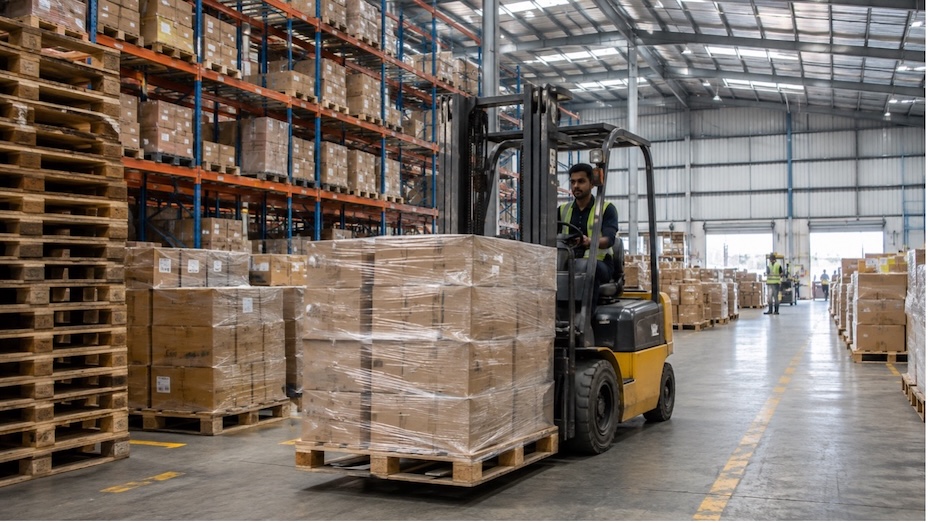
E-commerce warehouses run on movement. Every order that comes in triggers a chain of physical actions — picking, staging, consolidating, loading — and at the centre of most of that movement sits a pallet. As order volumes grow and fulfilment networks expand across cities, the way a warehouse handles pallets starts to directly affect how fast it can pick, pack and ship. When pallet supply is inconsistent, or when handling processes aren't standardized, the effects show up quickly: delayed dispatches, congested docks, and inefficient use of storage space. This article looks at how pallets, supply chain asset pooling, returnable packaging and material handling solutions work together to keep e-commerce fulfilment operations moving.
Quick Answer
Pallets standardize how goods are stored, moved and loaded in e-commerce warehouses, reducing manual handling and improving space utilization. Supply chain asset pooling adds a shared, managed pallet supply across locations, reducing shortages and idle inventory. Combined with organized logistics asset management, this improves warehouse throughput, order accuracy and fulfilment speed.
Key Takeaways
- Pallets create a standardized unit load that speeds up storage, retrieval and dispatch in high-volume warehouses.
- Supply chain asset pooling gives businesses access to a shared pool of pallets instead of owning and maintaining their own fleet.
- Returnable packaging, including pallets, is part of a reuse cycle that depends on consistent recovery and redistribution.
- Material handling solutions such as forklifts, conveyors and racking work efficiently only when pallet dimensions and quality are standardized.
- Logistics asset management gives visibility into where pallets are, how they're used and when they need repair or replacement.
- Choosing between pallet pooling and outright ownership depends on order volume, network spread and capital preference, not a single "better" option.
- Poor pallet tracking and imbalanced distribution across warehouses are common causes of fulfilment delays in growing e-commerce operations.
Why Pallets Matter in E-Commerce Warehouses
An e-commerce warehouse handles a mix of inbound stock, replenishment, and outbound orders, often across hundreds of SKUs moving at different velocities. Without a standardized way to group and move products, this mix becomes difficult to manage.
Pallets solve this by giving warehouse teams a consistent, stackable unit of storage. Instead of handling individual cartons one at a time, teams can move, store and track goods in larger, uniform loads. This affects several parts of daily operations:
- Storage — Pallets allow goods to be placed in racking systems in an organized, retrievable way, rather than stacked loosely on the floor.
- Product movement — Palletized loads move faster between receiving, storage and dispatch zones.
- Loading and unloading — Trucks can be loaded and unloaded in bulk units rather than piece by piece.
- Inventory handling — Stock counts and cycle checks are easier when inventory sits in defined, palletized locations.
- Warehouse organization — Aisles, racking bays and staging areas can be planned around standard pallet footprints.
- Distribution and fulfilment efficiency — Orders move through the warehouse faster when the underlying handling unit doesn't change from one process step to the next.
In a fulfilment centre processing thousands of orders a day, these small efficiencies compound. A warehouse that handles pallets well typically has shorter dock-to-stock times and fewer bottlenecks during peak order periods.
How Pallets Improve E-Commerce Warehouse Handling
Beyond basic storage, pallets change how physically demanding and error-prone warehouse handling is.
Standardized handling. When every load sits on a pallet of known dimensions, forklift operators, pallet truck drivers and racking systems can all work to the same specification. This reduces guesswork and rehandling.
Forklift and pallet truck movement. Palletized goods can be lifted and transported mechanically instead of manually, which speeds up internal transfers between zones.
Safer product movement. Products secured on a pallet are less likely to shift, fall or get damaged during transit within the warehouse, compared to loose cartons stacked without a base.
Better space utilization. Palletized storage works efficiently with vertical racking, allowing warehouses to use height rather than only floor space — a meaningful advantage in urban fulfilment centres where real estate is limited.
Faster loading and unloading. A palletized shipment can be moved in one lift instead of dozens of manual handling motions, cutting dock time significantly during high-volume periods.
Reduced manual handling. Fewer manual touchpoints mean lower labour strain and fewer opportunities for mishandling or product damage.
Improved warehouse flow. When pallets move predictably through receiving, put-away, picking and dispatch, the overall flow of goods becomes easier to plan and staff for.
What Is Supply Chain Asset Pooling?
Supply chain asset pooling is a model where reusable logistics assets — such as pallets, crates or containers — are shared across a network of businesses or locations rather than owned individually by each user. Instead of every warehouse buying and maintaining its own pallets, businesses draw from a common, managed pool, and assets are collected, inspected and redistributed as needed.
For distributed e-commerce networks — where inventory moves between fulfilment centres, sortation hubs and last-mile delivery points — this model addresses a practical problem: pallet demand is rarely even across locations. One warehouse may have a surplus while another faces a shortage during a demand spike. A pooled model is designed to balance this by tracking asset location and redirecting supply where it's needed.
Asset pooling typically involves:
- A managed pool of pallets or other reusable assets, rather than assets tied to a single owner.
- Collection of assets after use and inspection before they re-enter circulation.
- Redistribution based on demand across warehouses or fulfilment nodes.
- Ongoing tracking to maintain visibility into asset location and condition.
For e-commerce businesses scaling into new cities or adding fulfilment centres, this can reduce the operational burden of forecasting, purchasing and maintaining a pallet fleet independently at every location.
How Supply Chain Asset Pooling Supports E-Commerce Fulfilment
The connection between asset pooling and fulfilment efficiency follows a fairly direct chain: pallet availability affects warehouse operations, which affects how quickly products move, which affects distribution timelines, which eventually loops back through returns and reverse logistics.
Consider a hypothetical example: an e-commerce fulfilment network operating across multiple warehouses in different cities experiences a seasonal spike in one region while another region runs below capacity. If each warehouse maintains its own pallet stock independently, the high-demand location may face shortages that slow down picking and dispatch, even while another location has idle pallets sitting unused.
An organized pooling model is designed to reduce this imbalance. Because pooled assets are tracked and can be redistributed, warehouses experiencing higher order volumes can draw on the shared pool instead of waiting on new pallet procurement. When goods are returned — whether through customer returns or reverse logistics from retail partners — pallets and other reusable assets can also re-enter the pool for inspection and reuse, rather than being written off or left idle at a single location.
This cycle of availability, use, recovery and reuse is what allows a pooling model to support fulfilment networks that are growing or fluctuating in demand, without each warehouse needing to independently solve its own asset planning.
Returnable Packaging and E-Commerce Logistics
Returnable packaging refers to packaging assets — pallets, crates, containers and similar equipment — that are designed for repeated use across multiple shipping cycles, rather than being discarded after a single use.
This differs from single-use packaging, which is typically used once and then disposed of or recycled externally. Returnable packaging depends on a recovery cycle: the asset has to be collected, inspected, and put back into circulation to deliver its intended value.
Pallets function as one of the most common forms of returnable logistics assets in a warehouse. Their role in reverse logistics matters here — when goods move from a fulfilment centre to a store, distributor or end customer, the pallet (or container) they were shipped on can, depending on the network design, be recovered and reused rather than replaced each time.
A few operational points are worth being clear about:
- Reuse cycles only work if there's a reliable recovery process. Without it, returnable assets simply accumulate at end points and stop circulating.
- Returnable packaging is not automatically cheaper than single-use alternatives in every scenario. Its suitability depends on factors like shipment frequency, distance, asset recovery rates and how well utilization is tracked.
- Businesses with high shipment frequency and a manageable recovery network tend to see more benefit from returnable models than those with sporadic, long-distance, one-way shipments.
For e-commerce operations evaluating packaging strategy, the right choice depends on the specific supply chain model rather than a blanket assumption that reusable is always the better option.
Material Handling Solutions for E-Commerce Warehouses
Pallets don't operate in isolation — their value depends on how well they integrate with the broader set of material handling solutions used inside a warehouse.
Forklifts and pallet trucks are built around standard pallet dimensions. When pallet sizes are inconsistent, these machines lose efficiency, and operators may need to adjust handling techniques on the fly, slowing operations.
Conveyors used for sortation or transfer between zones are typically designed for specific load types; palletized goods need to interface correctly with conveyor systems where used.
Racking systems are engineered around standard pallet footprints and load capacities. Mismatched pallets can lead to unstable storage or underused racking space.
Loading docks benefit from standardized pallets because dock staff and equipment can process incoming and outgoing loads without adjusting procedures for each shipment.
Warehouse storage systems more broadly — from bulk floor storage to automated storage and retrieval systems — depend on consistent, compatible pallet specifications to function as designed.
When pallets, equipment and storage infrastructure are standardized together, warehouses experience fewer handling delays and lower risk of equipment strain or product damage.
Logistics Asset Management: Why It Matters
Logistics asset management refers to the systems and processes businesses use to track, maintain and control reusable logistics assets — pallets, containers, and reusable packaging — across their lifecycle.
In a multi-warehouse e-commerce network, this covers several operational needs:
- Asset movement — knowing where pallets and containers are at any given point in the network.
- Asset availability — ensuring enough usable assets exist at each location to support ongoing operations.
- Asset utilization — understanding how efficiently pallets are being used versus sitting idle.
- Loss and damage tracking — identifying where assets go missing or get damaged, and addressing recurring causes.
- Recovery and redistribution — bringing returned assets back into usable circulation rather than letting them accumulate at end points.
Logistics asset management connects directly to supply chain visibility. Without tracking, businesses often lose sight of how many assets they actually have in circulation, where losses are occurring, and whether their pallet supply matches real operational demand. This lack of visibility tends to show up as unplanned procurement costs, warehouse congestion from excess or shortage of assets, and inconsistent service levels across locations.
Pallet Pooling vs Buying Pallets for E-Commerce Businesses
E-commerce businesses evaluating their pallet strategy generally weigh pooling or rental models against outright ownership. Neither option is universally better — the right fit depends on business scale, network structure and operational preferences.
Consideration | Pallet Pooling / Rental | Buying Pallets |
Capital expenditure | Lower upfront cost; operational expense model | Higher upfront capital investment |
Asset ownership | Assets remain with the pooling provider | Business owns and controls the assets directly |
Maintenance | Typically handled as part of the pooling service | Business is responsible for repair and upkeep |
Storage | Reduced need to store excess or idle pallets | Business must manage its own pallet storage and buffer stock |
Asset recovery | Managed through the pooling network | Business must build its own recovery process |
Scalability | Easier to scale up or down with fluctuating demand | Requires forecasting and purchasing ahead of demand |
Multi-location operations | Assets can be balanced across locations through the pool | Each location may need to manage its own pallet stock independently |
Operational complexity | Lower internal administrative burden | Higher internal responsibility for tracking and replenishment |
Businesses with fluctuating order volumes, multiple warehouse locations, or limited appetite for tying up capital in physical assets often lean toward pooling or rental models. Businesses with very stable, predictable, single-location operations may find that owning pallets outright gives them more direct control, provided they can manage maintenance and storage internally.
How to Choose the Right Pallet Solution for an E-Commerce Warehouse
Selecting a pallet approach involves looking at several operational factors together, rather than any single variable in isolation:
- Load requirements — the weight and stacking needs of the products being handled.
- Product type — fragile, heavy, or irregularly shaped goods may need specific pallet types.
- Warehouse layout — aisle widths and storage design influence which pallet footprint works best.
- Racking compatibility — pallets need to match existing racking specifications.
- Forklift compatibility — handling equipment should align with pallet dimensions and entry points.
- Storage requirements — how much buffer stock the business needs to hold at any time.
- Distribution network — the number of warehouses and how goods move between them.
- Return logistics — how returned goods and packaging flow back into the network.
- Asset utilization — how intensively pallets are used versus sitting idle.
- Geographic coverage — the regions a business ships to and from.
- Expected volume — current order volume and anticipated growth.
- Hygiene requirements — relevant for categories like food, pharma or personal care.
- Sustainability objectives — whether reducing single-use packaging is a business priority.
Reviewing these factors together helps a business decide whether pooling, rental, ownership, or a mixed approach fits its specific fulfilment model.
Common Pallet Management Challenges in E-Commerce
Even with good intentions, many e-commerce operations run into recurring pallet management issues:
- Pallet shortages during peak order periods when demand outpaces available supply.
- Asset loss, where pallets go missing between warehouses, transporters or end customers.
- Damage from repeated handling, poor stacking practices or incompatible equipment.
- Poor tracking, making it difficult to know how many usable pallets exist at any given time.
- Imbalanced asset distribution, where some warehouses have surplus stock while others face shortages.
- Excess inventory of pallets sitting idle, tying up warehouse floor space unnecessarily.
- Storage costs associated with holding buffer pallet stock that isn't being actively used.
- Return logistics gaps, where recovery processes for returnable assets are inconsistent or slow.
- Multiple warehouse locations operating with different pallet standards or handling practices.
- Inconsistent pallet standards, where mismatched dimensions or quality create handling inefficiencies across the network.
Addressing these challenges usually requires a combination of standardized pallet specifications, consistent tracking, and either an internal asset management process or a managed pooling arrangement.
How LEAP India Can Support Modern Supply Chains
LEAP India operates as a tech-enabled asset pooling company, offering pallets, containers and returnable packaging solutions designed to support supply chain operations, including e-commerce and warehousing applications. Its offering spans pallet solutions built for repeated use across handling and transport, along with asset management support that includes tracking, auditing and reporting to give businesses visibility into how their pooled assets are being used.
For e-commerce businesses managing fulfilment across multiple locations, this kind of pooled, managed approach to pallets and returnable assets can reduce the internal burden of procurement, storage and recovery, while supporting more consistent handling standards across warehouses.
If pallet shortages, inconsistent handling standards or limited asset visibility are creating friction in your fulfilment operations, it may be worth reviewing how a structured asset pooling and management approach could fit into your supply chain. Get in touch with LEAP India to discuss your warehouse and fulfilment requirements.
Frequently Asked Questions
What are the benefits of using pallets in e-commerce warehouses?
Pallets create a standardized unit for storage and transport, which speeds up loading, unloading and internal movement of goods. They also improve space utilization through vertical racking, reduce manual handling, and lower the risk of product damage compared to loose, unpalletized loads.
What is supply chain asset pooling?
Supply chain asset pooling is a model where reusable assets like pallets or containers are shared across a network rather than owned individually by each business or location. Assets are collected, inspected and redistributed based on demand, helping balance supply across multiple warehouses or fulfilment centres.
How does pallet pooling work?
In pallet pooling, businesses access pallets from a shared, managed pool instead of purchasing their own. The pooling provider tracks asset location, collects pallets after use, inspects and repairs them where needed, and redistributes them to locations based on demand.
How can pallet pooling support e-commerce fulfilment?
Pallet pooling helps address uneven demand across fulfilment locations by allowing pallets to be redirected to warehouses experiencing higher order volumes. This reduces the risk of shortages slowing down picking and dispatch during peak periods.
What is returnable packaging?
Returnable packaging refers to packaging assets, such as pallets, crates or containers, designed for repeated use across multiple shipping cycles rather than single use. Its effectiveness depends on a reliable recovery process that brings assets back into circulation after each use.
What are material handling solutions in a warehouse?
Material handling solutions include the equipment and systems used to move, store and manage goods within a warehouse, such as forklifts, pallet trucks, conveyors and racking systems. These systems work most efficiently when paired with standardized pallets and load specifications.
What is logistics asset management?
Logistics asset management is the practice of tracking, maintaining and controlling reusable logistics assets like pallets and containers throughout their lifecycle. It covers asset location, utilization, damage tracking, and recovery and redistribution across a supply chain network.
Should an e-commerce company rent or buy pallets?
This depends on order volume, number of warehouse locations and capital preferences. Pooling or rental models suit businesses with fluctuating demand or multiple locations, since they reduce upfront investment and internal maintenance burden. Ownership may suit stable, single-location operations that want direct control over their assets.
How can businesses reduce pallet loss?
Reducing pallet loss typically involves consistent tracking systems, clear handoff procedures between warehouses and transporters, and regular audits to identify where assets go missing. Working with a managed pooling model can also help, since asset recovery is built into the service.
How can pallet management improve warehouse efficiency?
Good pallet management ensures the right number of usable pallets are available where and when they're needed, reducing delays from shortages or damaged stock. It also supports consistent handling standards across the warehouse, which improves the speed and accuracy of picking, packing and dispatch.
Featured Snippet Answers
What is supply chain asset pooling?
Supply chain asset pooling is a model where reusable logistics assets, such as pallets or containers, are shared across multiple businesses or warehouse locations rather than owned individually. A managed pool collects, inspects and redistributes assets based on demand, helping balance supply across a distributed network.
How do pallets improve e-commerce fulfilment?
Pallets standardize how goods are stored, moved and loaded, allowing warehouses to handle products in bulk units instead of individually. This speeds up loading and unloading, improves space utilization through racking, reduces manual handling, and supports faster, more consistent order fulfilment.
What is returnable packaging?
Returnable packaging refers to logistics assets like pallets, crates and containers designed for repeated use across multiple shipping cycles instead of single use. Its value depends on a reliable recovery process that collects, inspects and returns assets to circulation after each use.
What is logistics asset management?
Logistics asset management is the tracking, maintenance and control of reusable logistics assets like pallets and containers throughout their lifecycle. It covers asset location, utilization, damage and loss tracking, and the recovery and redistribution of assets across a supply chain network.
How does pallet pooling work? Pallet pooling works by giving businesses access to a shared pool of pallets instead of individual ownership. A pooling provider tracks asset location, collects pallets after use, inspects and repairs them, and redistributes them across warehouses based on demand.